
Texas Drywall Contractor Business Plan Template: Everything You Need
Starting a drywall contractor business in Texas requires more than skill with tools—it demands a business plan. Cities like Houston, Dallas, Austin, San Antonio, Fort Worth, and El Paso are full of opportunities, but without a clear roadmap, it’s easy to struggle with profitability, client acquisition, and risk management.
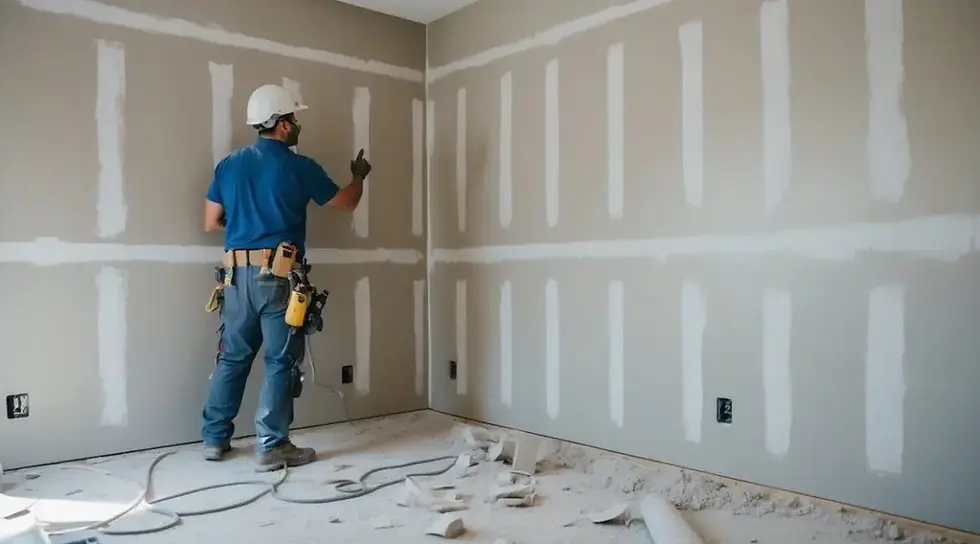
This guide provides a comprehensive business plan template, covering all the essentials to launch, manage, and grow your drywall contracting business.
1. Executive Summary
Your executive summary should briefly outline:
Business name and location (e.g., serving Houston or San Antonio)
Services offered: residential, commercial, specialty drywall finishing
Target market and ideal clients
Mission and vision for the business
Key differentiators: insured, licensed, and high-quality work
Tip: Keep it concise but compelling—this is often the first section investors or lenders read.
2. Company Overview
Include details about:
Business structure: LLC, sole proprietorship, or partnership
Ownership information
City-specific operations: offices or job focus in Dallas, Fort Worth, or El Paso
Goals for the first 1–3 years
3. Market Analysis
Research your target market:
Construction trends in Austin, Houston, and San Antonio
Competitor analysis: other drywall contractors, pricing, and service offerings
Demand projections for residential and commercial projects
Seasonal or economic factors affecting the industry
Check Out: IBISWorld Guide
4. Services and Pricing
Outline the drywall services you’ll offer:
Residential: new homes, remodels, repairs
Commercial: offices, retail, multi-unit housing
Specialty: fireproofing, soundproofing, decorative finishes
Include pricing strategy based on local market rates. For example, Houston and Austin often have higher labor costs than smaller cities like El Paso, affecting pricing.
5. Marketing Plan
Explain how you’ll attract clients:
Website and local SEO (e.g., “Drywall Contractor in Dallas”)
Google Business Profile and online reviews
Social media presence and paid ads
Networking with builders and contractors
Direct mail and local advertising in Fort Worth and San Antonio
Market Your Drywall Business with Contractor Back Office
Contractor Back Office helps drywall contractors build a strong brand and attract more clients through SEO-driven strategies, professional website design, bookkeeping, and social media management. These tools showcase your services, share project photos, and engage with clients—helping you grow your business from day one.

6. Operations Plan
Detail how daily operations will run:
Crew management and scheduling
Equipment and tools management
Jobsite safety and compliance with permits in Houston, Dallas, and Austin
Supplier and material management
7. Financial Plan
Include projections for:
Startup costs: tools, vehicles, permits, office setup
Monthly operating expenses: labor, materials, insurance, marketing
Revenue projections and expected profit margins
Funding sources or loans if needed
Tip: Include city-specific cost variations; labor in Dallas or Austin may be higher than in El Paso.
8. Insurance & Risk Management
Proper insurance is critical for protecting your business:
One Hampton Insurance, a Texas independent agency, helps drywall contractors in Houston, Dallas, Austin, San Antonio, Fort Worth, and El Paso find the best coverage at competitive rates.

9. Appendix
Include any supporting documents:
Sample contracts and agreements
Permit copies or licensing documents
Equipment lists
Project photos or portfolio
Final Thoughts
A well-crafted business plan is essential for starting and growing a drywall contractor business in Texas. It helps clarify your vision, anticipate challenges, and plan finances. Coupled with comprehensive insurance from One Hampton Insurance, you’ll be well-prepared to succeed in cities like Houston, Dallas, Austin, San Antonio, Fort Worth, and El Paso.
Contact us today.


This is a well-structured and informative guide for anyone planning to start a drywall business in Texas. The breakdown of planning, marketing, finances, and insurance makes it easy to understand how to build and scale drywall services successfully. Pairing a solid business plan with proper coverage is clearly essential for long-term growth. A valuable resource for both new and experienced drywall contractors.