
Starting a Painting Contractor Business in Texas: Key Steps
Starting a painting contractor business in Texas can be a profitable venture, thanks to strong construction demand and steady residential and commercial growth. Cities like Houston, Dallas, Austin, San Antonio, Fort Worth, and El Paso continue to see expansion, creating consistent opportunities for skilled painting professionals.

However, success requires more than quality workmanship. From legal setup to insurance protection, here are the essential steps to launch and grow a painting contractor business in Texas.
1. Register Your Painting Business in Texas
Begin by choosing a business structure such as a sole proprietorship, LLC, or corporation. Many Texas painting contractors opt for an LLC for liability protection and tax flexibility.
Register your business with the Texas Secretary of State and apply for an EIN through the IRS. If you plan to operate in major metros like Houston or Dallas, check for local business permits or zoning requirements.
Read More:
2. Understand Licensing and Compliance Requirements
Texas does not require a statewide painting contractor license, but local municipalities may have registration rules. Commercial painting projects may require bonding or proof of insurance before contracts are approved.
Additionally, if you plan to work on older properties in cities such as San Antonio or Fort Worth, EPA Lead-Safe Certification may be required for pre-1978 buildings.
Read More: EPA Lead-Safe Certification program.
3. Build a Skilled Team and Equipment Plan
Reliable labor is critical in competitive Texas markets like Austin and El Paso. Decide whether you’ll hire employees or subcontractors and ensure compliance with Texas workforce laws.
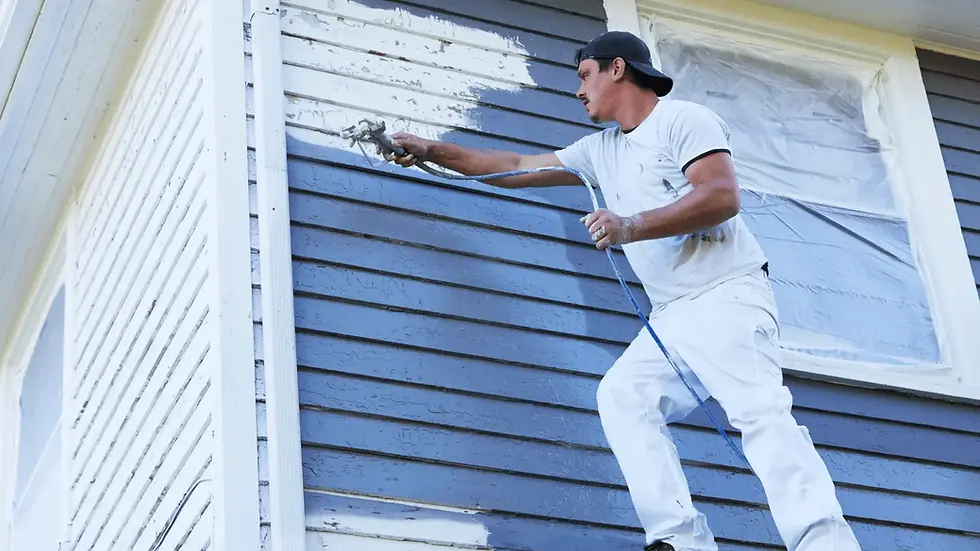
Invest in professional-grade tools, ladders, sprayers, and safety equipment. Proper safety training reduces jobsite injuries and insurance claims.
Read More:
4. Get the Right Insurance Coverage
Insurance is one of the most important steps in protecting your painting contractor business in Texas. Clients, landlords, and commercial developers often require proof of coverage before awarding contracts.
Necessary Insurance Policies for Texas Painting Contractors
Protects against property damage or injury claims.
Protects employees and satisfies hiring compliance requirements.
Required for company trucks, trailers, dump trucks, or vans.
Covers tools, equipment, and machinery on and off the job site.
Provides added protection beyond standard policy limits.
For insurance quotes in Texas, contact One Hampton Insurance for tailored pricing and professional coverage options that fit the size and type of your business.

For tailored coverage designed specifically for Texas painting contractors, One Hampton Insurance can help you secure affordable policies that meet local and client requirements. Requesting a quote early can prevent costly gaps in coverage as your business grows.
5. Market Your Painting Business Across Texas
Create a strong local presence by optimizing your website for Texas-based searches. Target service areas such as Dallas, Houston, Austin, San Antonio, Fort Worth, and El Paso to improve local SEO visibility.
Encourage online reviews, build relationships with real estate agents and general contractors, and maintain consistent branding on trucks and uniforms.
Market with Contractor Back Office Support Services
Contractor Back Office services help Texas contractors manage operations and marketing more effectively through: These professional services free up time, improve customer communication, and increase revenue opportunities.

Conclusion
Starting a painting contractor business in Texas offers strong growth potential, but success depends on careful planning, compliance, and protection. By registering your business properly, understanding local requirements, investing in safety, and securing the right insurance coverage, you position your company for long-term stability.
Partnering with One Hampton Insurance ensures your painting business is protected against risks unique to Texas job sites, allowing you to focus on delivering quality work across Houston, Dallas, Austin, San Antonio, Fort Worth, and El Paso.
Contact us today.


Comments