
Workers’ Comp Insurance for Tree Service Companies in Texas (Rates & Rules)
Operating a tree service business in Texas comes with significant opportunity—but also serious risk. From tree trimming and tree removal to storm damage cleanup and land clearing, daily operations often involve dangerous equipment, heights, and unpredictable job site conditions.

This guide is written specifically for Texas tree service contractors who want to understand how workers’ compensation insurance in Texas works, what it covers, and how it impacts costs, compliance, and long-term business stability.
Do Tree Service Companies Need Workers’ Comp Insurance in Texas?
Texas is unique in that it does not require most private employers to carry workers’ compensation insurance. However, that doesn’t mean it’s optional from a practical standpoint—especially for high-risk industries like tree service.
For a tree service contractor in Texas, workers’ comp is often:
Required by commercial clients or municipalities
Expected for subcontractor agreements
A key safeguard against injury-related costs
Businesses offering services like tree removal, right of way clearing, or emergency tree care face higher exposure, making coverage a critical consideration.
Hiring or managing a tree service crew in Texas and dealing with workers’ comp requirements? Make sure your insurance isn’t holding you back.

What Workers’ Compensation Covers for Texas Tree Services
Workers’ compensation insurance in Texas is designed to protect both employees and employers when injuries occur on the job.
Coverage Typically Includes:
Medical expenses for job-related injuries
Lost wages during recovery
Rehabilitation and therapy costs
Protection from certain employee lawsuits
For example, if a crew member is injured during tree trimming or while operating a stump grinder, workers’ comp helps cover the financial impact.
Why Tree Service Work in Texas Carries Higher Risk
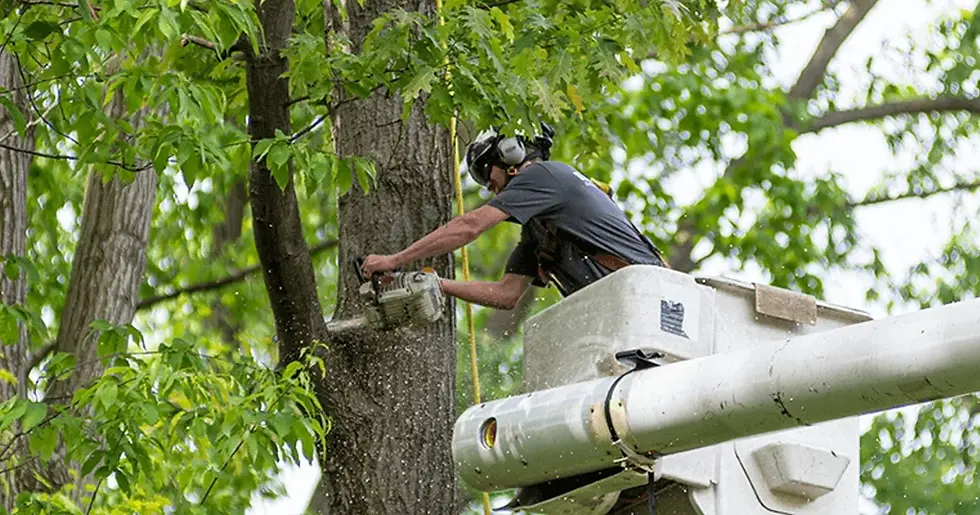
Tree service operations are among the more hazardous contractor trades in Texas due to:
Working at height with climbing gear
Operating chainsaws, chippers, and heavy equipment
Handling falling limbs and debris
Responding to emergency storm damage cleanup situations
Even experienced crews face risks during services like:
Tree Stump Removal
Land Clearing
Emergency Tree Care
Because of this, many insurers classify tree service contractor insurance in Texas as higher risk, which directly affects coverage considerations and pricing.
How Workers’ Comp Rates Work in Texas
Workers’ compensation rates for a tree service business in Texas are influenced by several factors rather than a fixed price.
Key Factors That Affect Rates:
Type of work performed (trimming vs. large-scale tree removal)
Payroll size and number of employees
Safety practices and training programs
Claims history
Use of subcontractors
Higher-risk activities like storm damage cleanup or large tree removal typically result in higher premiums compared to lighter trimming work.
Managing Labor and Insurance Costs in Texas
Labor is one of the biggest expenses for any tree service contractor in Texas, and insurance plays a direct role in managing that risk.
Smart Risk Management Practices
To help control costs and improve safety:
Provide proper safety training for climbing and equipment use
Maintain equipment regularly
Use clear job site procedures
Document incidents and near-misses
These steps not only reduce injuries but can also improve how insurers evaluate your business over time.
How Workers’ Comp Fits Into Your Overall Insurance Plan
Workers’ compensation is just one piece of a complete protection strategy for a tree service business in Texas.
Most contractors also consider:
General liability coverage for property damage(often referred to in related topics like Texas general liability insurance for tile contractors)
Commercial auto insurance for trucks and equipment transport
Tools and equipment coverage for chainsaws, chippers, and gear
Together, these policies form a more complete risk management plan for Texas contractors.
Risks of Operating Without Workers’ Comp in Texas
While not legally required in most cases, choosing not to carry workers’ compensation insurance in Texas can expose your business to serious risks:
Out-of-pocket medical costs for injured workers
Potential lawsuits from employees
Lost contracts due to lack of coverage
Financial strain from unexpected incidents
For tree service businesses handling high-risk work like right of way clearing or emergency storm response, these risks can be significant.
Final Thoughts on Workers’ Comp for Tree Service Companies in Texas
Running a tree service business in Texas means balancing opportunity with risk. From tree trimming and stump removal to large-scale land clearing and storm damage cleanup, every job comes with potential hazards.
While workers’ compensation insurance in Texas is not always mandatory, it plays a critical role in protecting your crew, your finances, and your ability to take on larger projects. For many Texas tree service contractors, it’s not just about compliance—it’s about long-term sustainability.
As your business grows, having the right coverage in place can help you operate with confidence and stability. One Hampton Insurance works with Texas contractors to help them understand their risks and build practical insurance solutions that support their day-to-day operations.
FAQ: Texas Tree Service Workers’ Comp Questions
Is workers’ comp required for tree service companies in Texas?
No, it is not required for most private employers, but many clients and contracts require it.
How much does workers’ comp cost for tree service in Texas?
Costs vary based on payroll, risk level, and safety practices, especially for services like tree removal and storm cleanup.
Can I hire subcontractors instead of carrying workers’ comp?
Some contractors do, but this can create risk if subcontractors are not properly insured themselves.
What happens if an employee gets injured without workers’ comp?
The business may be responsible for medical costs and could face legal action.


Comments