
Texas Water Well Drilling Business Startup Cost Guide (Rigs, Trucks & Permits)
Starting a water well drilling business in Texas can be a highly profitable opportunity for contractors with the right experience and equipment. With demand for water well drilling, irrigation wells, and replacement water wells across rural and agricultural areas, Texas offers strong market potential.

This guide is designed specifically for Texas water well drilling contractors who want a clear understanding of startup costs, rigs, trucks, permits, and operational considerations before launching their business.
Texas Water Well Drilling Startup Costs: What to Expect
A water well drilling business in Texas requires a significant upfront investment compared to many other contractor trades. The primary costs include drilling rigs, heavy-duty trucks, permits, and skilled labor.
Most startups should plan for a wide investment range depending on scale:
Small operation: basic rig and used truck
Larger operation: multiple rigs, crews, and service expansion
Starting a water well drilling business in Texas and planning rigs, trucks, and permits? Make sure your insurance isn’t holding you back.

Drilling Rigs: The Core Investment in Texas
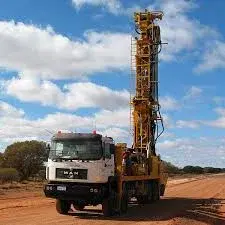
Water Well Drilling Rigs in Texas
The drilling rig is the most important—and most expensive—piece of equipment.
Estimated cost: $50,000 – $300,000+
Factors that affect cost include:
Depth capability and drilling power
New vs. used equipment
Truck-mounted vs. trailer-mounted rigs
Texas contractors offering services like irrigation wells or deep replacement water wells often require more advanced rigs to meet project demands.
Supporting Equipment for Texas Well Drilling
Beyond the rig, additional equipment is necessary:
Air compressors
Mud pumps and tanks
Drill pipes and bits
Water pump installation tools
These tools are essential for completing jobs efficiently and expanding service offerings.
Trucks and Transportation for Texas Contractors
Reliable transportation is critical for moving rigs and equipment across Texas job sites.
Work Trucks for Water Well Drilling in Texas
Estimated cost: $15,000 – $80,000+
Common vehicles include:
Heavy-duty trucks for towing rigs
Flatbeds for hauling pipes and materials
Service trucks for maintenance and repairs
Fuel, maintenance, and insurance should be factored into ongoing costs, especially for contractors working in remote areas.
Labor Costs for Water Well Drilling in Texas
Labor is a key operational expense and requires skilled workers.
Hiring Drilling Crews in Texas
Typical roles include:
Rig operators
Drill helpers
Pump installation technicians
Labor Considerations
Experience and training requirements
Physical demands of the job
Safety procedures and compliance
Many Texas water well drilling contractors begin with a small crew and expand as project demand increases.
Permits and Licensing for Water Well Drilling in Texas
Unlike some trades, water well drilling in Texas does require proper licensing and permits.
Contractors must typically:
Obtain a water well driller license through the appropriate Texas regulatory agency
Meet experience and testing requirements
Maintain compliance with state rules for groundwater protection
Local Permits in Texas
Depending on the project location, you may also need:
County or municipal permits
Environmental or groundwater district approvals
These requirements are especially important for irrigation wells and replacement water wells.
Insurance Considerations for Texas Water Well Drilling Contractors
Water well drilling is a high-risk trade due to heavy equipment, underground work, and job site hazards.
Essential Insurance Coverage in Texas
General liability coverage (similar to Texas general liability insurance for tile contractors in structure, but tailored to drilling risks)
Workers’ compensation insurance in Texas for employee protection
Many clients and project owners require proof of water well drilling contractor insurance in Texas before work begins.
Operating Costs & Profitability in Texas
Once your business is operational, ongoing expenses will determine profitability.
Common Operating Costs
Fuel and truck maintenance
Equipment repairs and replacement parts
Labor payroll
Permit and compliance costs
Insurance premiums
Profit Potential in Texas
Water well drilling contractors in Texas can achieve strong profitability, especially in:
Agricultural regions needing irrigation wells
Rural residential areas requiring water access
Replacement water well projects
Efficiency, proper equipment use, and strong project management are key to maintaining healthy margins.
Risks in the Texas Water Well Drilling Industry
Water well drilling involves unique risks, including:
Equipment breakdowns during drilling
Underground hazards and site instability
Worker injuries from heavy machinery
Environmental compliance issues
Managing these risks through training, maintenance, and insurance is essential for long-term success.
Final Thoughts on Starting a Water Well Drilling Business in Texas
Launching a water well drilling business in Texas requires significant investment, planning, and compliance with licensing requirements. From rigs and trucks to permits and labor, startup costs can be substantial—but so is the opportunity.
With ongoing demand for water well drilling, irrigation wells, replacement water wells, and water pump installation, Texas remains a strong market for skilled contractors.
As your business grows, protecting it becomes just as important as building it. Many contractors rely on proper contractor insurance in Texas, including general liability and workers’ compensation insurance in Texas, to manage risk and maintain stability.
One Hampton Insurance supports Texas contractors by helping them understand their risks and build coverage solutions tailored to their operations—so they can focus on growing their business with confidence.
FAQ: Texas Water Well Drilling Business Questions
How much does it cost to start a water well drilling business in Texas?
Startup costs typically range from $75,000 to $400,000+, depending on rigs, trucks, and crew size.
Do I need a license for water well drilling in Texas?
Yes, Texas requires proper licensing and compliance with state groundwater regulations.
Is water well drilling profitable in Texas?
Yes, especially in rural and agricultural areas where demand for irrigation wells and replacement water wells is strong.
What insurance do water well drilling contractors need in Texas?
Most need general liability, workers’ compensation, equipment coverage, and commercial auto insurance.


Comments