
Texas Solar Market Trends Every Solar Contractor Should Watch in 2026
The Texas solar market continues to grow rapidly, driven by residential demand, commercial development, and sustainability initiatives. Solar contractors in Houston, Dallas, Austin, San Antonio, Fort Worth, and El Paso need to stay ahead of market trends to remain competitive, optimize operations, and maximize profitability.
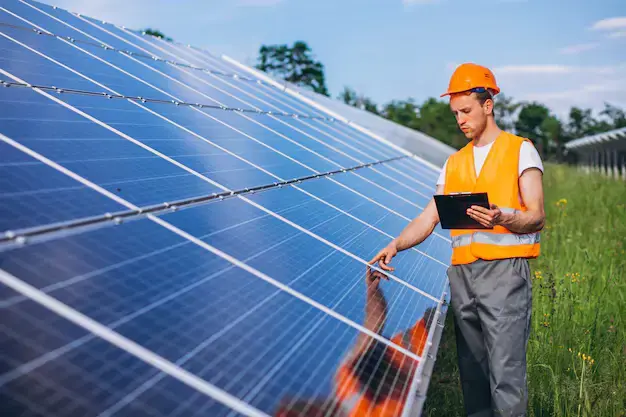
This guide highlights the key Texas solar market trends in 2026 that every contractor should monitor.
1. Rising Adoption of Smart Solar Systems
Homeowners and businesses are increasingly investing in systems with remote monitoring, energy storage, and IoT-enabled performance tracking.
Smart inverters and battery storage are becoming standard in high-value installations
Predictive maintenance reduces downtime and increases system efficiency
2. Continued Expansion in Residential Solar
Cities like Austin, San Antonio, and Houston are experiencing strong residential solar growth due to favorable energy policies, incentives, and increasing homeowner awareness.
Net metering and tax incentives drive adoption
Contractors should target residential neighborhoods with pre-qualified leads
Find Out: DSIRE – Incentives & Rebates
3. Growth in Commercial and Utility-Scale Projects
Commercial rooftops and utility-scale solar projects are expanding in Dallas, Fort Worth, and El Paso.
Large-scale solar requires specialized permitting and interconnection expertise
Contractors can diversify revenue by offering design, installation, and maintenance packages
4. Increased Focus on Sustainability and Green Building Standards
Sustainability certifications and energy-efficient building initiatives are influencing project specifications:
Demand for solar in LEED-certified buildings is rising
Eco-friendly panels and materials are becoming preferred
Read More: U.S. Green Building Council
5. Regulatory Updates and Permitting Trends
Texas cities are updating permitting and interconnection rules to handle increasing solar installations.
Faster permitting processes in some municipalities like San Antonio
Increased documentation and inspection requirements in Houston and Dallas
6. Labor Shortages and Workforce Development
With growing demand, finding skilled installers remains a challenge, particularly in Austin and El Paso.
Contractors should invest in training programs and apprenticeships
Cross-training teams improves efficiency and project delivery
7. Insurance and Risk Management Trends
As solar projects become larger and more complex, contractors need professional coverage to mitigate risks. Essential policies include:
General Liability Insurance – protects against third-party claims
Workers’ Compensation Insurance – covers employee injuries
Commercial Auto Insurance – protects vehicles transporting crews and materials
Tools & Equipment Insurance – covers panels, inverters, and installation tools
Professional Liability Insurance – protects against system design or performance disputes
One Hampton Insurance specializes in contractor-focused policies tailored to Texas solar businesses, helping contractors manage risk and remain compliant.

Conclusion
Texas solar contractors in Houston, Dallas, Austin, San Antonio, Fort Worth, and El Paso must stay aware of smart system adoption, residential and commercial growth, sustainability trends, regulatory updates, and workforce challenges. By monitoring these trends and securing the right insurance coverage from One Hampton Insurance, solar contractors can position their business for success and growth in 2026.
Contact us today.


Comments