
Best Equipment for Starting a Fence Installation Business in Texas
Starting a fence installation business in Texas requires more than skill—it requires the right tools and equipment to deliver quality work efficiently. Whether you’re serving Houston, Dallas, Austin, San Antonio, Fort Worth, or El Paso, having the proper gear ensures your projects run smoothly and your customers stay satisfied.

Essential Equipment for Fence Installation
1. Basic Hand Tools
Every fence contractor needs a set of reliable hand tools for installation and adjustments:
Post-hole digger / auger – Manual or powered for digging fence post holes
Shovels and spades – For setting posts and minor grading
Hammers / mallets – For wood or metal fencing
Levels and measuring tapes – Ensure straight and even fencing
Pliers and wire cutters – Essential for chain-link or barbed wire fences
Tip: Buy quality tools to reduce wear and tear and avoid downtime.
2. Power Tools and Equipment
To save time and work efficiently, you’ll need power tools and specialized equipment:
Power augers – Gas or electric, for faster post installation
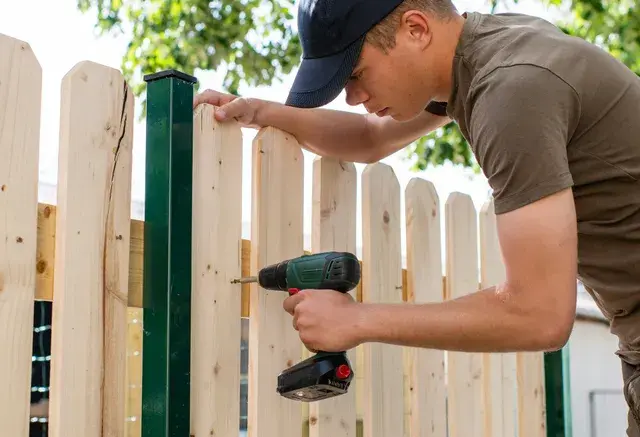
Drills and impact drivers – For screws, bolts, and mounting hardware
Circular saw / reciprocating saw – For wood or composite fence panels
Concrete mixers – For setting posts, especially for larger projects
Post pullers – To remove old fencing or replace posts
Pro Tip: In cities like Houston, Dallas, and Austin, efficiency can make a big difference due to high demand and competitive pricing.
3. Vehicles and Trailers
Transporting materials and equipment requires a reliable vehicle:
Pickup truck or work truck – 1-ton or heavy-duty recommended
Utility trailer – For hauling posts, panels, and tools
Enclosed trailer (optional) – For security and equipment protection
Read More: U-Haul Utility Trailers
4. Safety Equipment
Safety is critical for both legal compliance and worker protection:
Hard hats and safety glasses
Work gloves
Steel-toe boots
High-visibility vests
Ear protection and dust masks for cutting or drilling
Tip: Safety gear is particularly important in busy metro areas like Dallas or Fort Worth, where job sites are near traffic or construction zones.
5. Materials Storage and Organization
Efficient storage saves time and reduces material waste:
Heavy-duty shelving and racks for lumber or panels
Pallet jacks for moving materials
Lockable storage boxes or sheds for tools and smaller hardware
Tarps and straps to secure materials on trucks or trailers
Pro Tip: Well-organized equipment improves workflow in cities with high-volume projects like Austin and San Antonio.
6. Optional Equipment for Larger Operations
If you plan to scale, consider investing in:
Mini-excavators or skid steers – For digging post holes on large properties
Post drivers – For faster installation on commercial or ranch properties
Forklifts – For handling large pallets of materials
These tools are especially useful in commercial jobs or larger Texas properties, such as those in El Paso or rural areas outside major cities.
Don’t Forget Insurance
Your equipment is an investment—protect it and your business with the right coverage. At One Hampton Insurance, we help Texas fence contractors secure affordable policies, including:
General Liability Insurance – Covers property damage or injuries during installation.
Commercial Auto Insurance – For trucks and vehicles used in Houston, Dallas, and beyond.
Workers’ Compensation – Required if you hire employees in Texas.
Tools & Equipment Coverage – Protects your gear from theft or damage.
Commercial Property Insurance – If you have an office or storage facility in Austin or San Antonio.

Final Thoughts
Having the right equipment is key to running a successful fence installation business in Texas. Whether you’re in Houston, Dallas, Austin, San Antonio, Fort Worth, or El Paso, investing in quality tools and securing proper insurance coverage ensures your business thrives.
👉 Ready to protect your business? Get your free Texas fence contractor insurance quote today!


Comments