
Is Owning a Water Well Drilling Business in Texas Profitable?
Owning a water well drilling business in Texas can be a highly rewarding venture for contractors who understand the industry, equipment, and regulatory environment. With ongoing demand for water well drilling, irrigation wells, and replacement water wells across rural and agricultural areas, Texas offers strong long-term potential.

This guide is written specifically for Texas water well drilling contractors who want a clear, practical understanding of profitability, startup costs, and the key factors that influence success in this specialized field.
Is Water Well Drilling Profitable in Texas?
Yes, a water well drilling business in Texas can be profitable—but it depends heavily on how efficiently the business is managed.
Revenue opportunities typically come from:
New water well drilling projects
Replacement water wells for aging systems
Irrigation wells for farms and ranches
Water pump installation and ongoing maintenance
Because each project can be substantial in scope, even a small number of jobs per month can generate meaningful revenue for a contractor Texas business.
Running a water well drilling business in Texas and wondering about profitability? Make sure your insurance isn’t holding you back.

Texas Market Demand for Water Well Drilling
Why Demand Is Strong in Texas
Texas has unique conditions that support steady demand for well drilling services:
Large rural areas without municipal water access
Agricultural operations requiring irrigation wells
Population growth expanding into undeveloped land
Ongoing need for replacement water wells
In many regions, water well drilling is essential infrastructure, not a luxury service—making it a reliable industry for contractors.
Startup Costs vs. Profitability in Texas
While the income potential is strong, startup costs are one of the biggest barriers to entry.
Major Startup Investments in Texas
A water well drilling business typically requires:
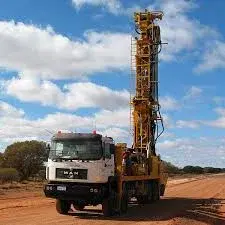
Drilling rigs: $50,000 – $300,000+
Heavy-duty trucks: $15,000 – $80,000+
Equipment and tools: $10,000+
Permits and licensing costs
Labor and crew setup
Because of these high upfront costs, many Texas contractors take time to reach consistent profitability.
Key Factors That Impact Profitability in Texas
Not every water well drilling business in Texas performs the same. Profitability depends on several operational factors.
1. Equipment Efficiency
Reliable rigs and well-maintained equipment reduce downtime and increase the number of jobs completed.
2. Service Offerings
Contractors who expand beyond basic drilling often see higher revenue. This includes:
Irrigation wells
Maintenance and repair services
3. Labor Management
Skilled crews are essential but can be costly. Efficient scheduling and trained teams improve margins.
4. Job Location in Texas
Rural and agricultural regions often provide more consistent demand compared to urban areas.
Risks That Can Affect Profitability
Like any contractor Texas business, water well drilling comes with risks that can impact earnings.
Common Risks in Texas
Equipment breakdowns during drilling
Unexpected underground conditions
Worker injuries on job sites
Project delays due to permitting or weather
High fuel and maintenance costs
Managing these risks is critical to maintaining profitability over time.
Insurance Considerations for Texas Water Well Drilling Contractors
Even though this is not purely an insurance topic, risk protection plays a major role in long-term profitability.
Key coverage options include:
General liability coverage (similar in structure to Texas general liability insurance for tile contractors, but tailored to drilling risks)
Workers’ compensation insurance in Texas for employee protection
For many contractors, having proper contractor insurance in Texas is what allows them to take on larger jobs and protect their revenue from unexpected losses.
Operating Costs for a Water Well Drilling Business in Texas
Beyond startup, ongoing expenses shape your bottom line.
Typical Monthly Costs
Fuel and truck maintenance
Equipment repairs and parts
Labor payroll
Insurance premiums
Compliance and permit fees
Careful cost management is essential for maintaining healthy profit margins.
Final Thoughts on Water Well Drilling Profitability in Texas
Owning a water well drilling business in Texas offers strong earning potential, especially for contractors who understand the market and manage operations effectively. With consistent demand for water well drilling, irrigation wells, replacement water wells, and water pump installation, the opportunity is there for long-term growth.
However, profitability depends on more than just revenue—it requires managing costs, maintaining equipment, and protecting your business from risk.
That’s why many successful contractors invest in proper contractor insurance in Texas, including workers’ compensation insurance in Texas, to help stabilize operations and safeguard their investment.
One Hampton Insurance works with Texas contractors to provide practical guidance and coverage solutions—helping you protect your business while you focus on building long-term success.
FAQ: Water Well Drilling Profitability in Texas
How profitable is water well drilling in Texas?
It can be highly profitable due to high-value projects, especially in rural and agricultural areas.
How long does it take to become profitable?
Many Texas contractors take time to recover startup costs, especially due to equipment investments.
What services increase revenue?
Replacement water wells, irrigation wells, and water pump installation can add consistent income streams.
Do I need insurance for a water well drilling business in Texas?
While not always required, most contractors carry coverage to protect against job site risks and financial loss.


Comments