
Does Restoration Insurance Cover Mold, Water & Fire Damage Claims in Texas?
If you run a restoration business in Texas, understanding what your insurance actually covers is critical. Many Texas restoration contractors assume all water, fire, and mold damage is automatically included—but coverage depends heavily on policy type, exclusions, and how the loss occurs.
This guide is for Texas restoration contractors and owners of a Texas restoration company insurance policy who want clarity on restoration insurance Texas coverage for mold, water, and fire damage claims across real job scenarios.
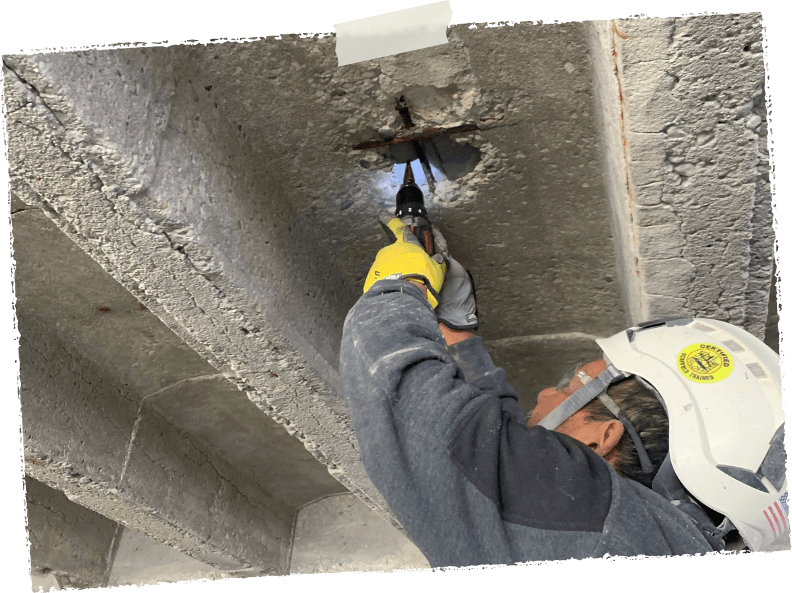
Whether you manage a water damage restoration insurance Texas operation or handle large commercial mitigation projects, knowing what is covered (and what isn’t) helps protect your business from costly surprises.
How Restoration Insurance Works in Texas
Texas restoration insurance coverage is designed to protect contractors from financial loss tied to jobsite risks, liability claims, and operational damage exposure. However, it does not function as a blanket policy that covers every type of damage without limits or exclusions.
Most restoration contractor insurance Texas policies are built from multiple layers of protection, including liability coverage, property protection, and specialized endorsements depending on services offered.
Handling mold, water, or fire damage claims in Texas and unsure what’s covered? Make sure your insurance isn’t holding you back.

Water Damage Coverage in Texas Restoration Insurance
Water-related claims are one of the most common issues for a Texas restoration contractor.
What is typically covered
A strong water damage restoration insurance Texas policy may help cover:
Sudden and accidental water damage during mitigation work
Property damage caused while extracting or drying structures
Third-party claims resulting from restoration operations
What is often excluded
Gradual leaks or long-term unresolved water damage
Pre-existing damage before the restoration job began
Faulty workmanship outside policy terms
Because water damage is so common in Texas, insurers closely evaluate Texas restoration insurance coverage related to water mitigation risks.
Fire Damage Restoration Coverage in Texas
Fire and smoke cleanup is another major service area for Texas restoration company insurance policies.
What may be covered
Smoke and soot removal operations
Cleaning and structural restoration after fire events
Property damage caused during approved restoration procedures
Key limitations
Fire-related claims often depend on:
Whether damage occurred before or during contractor involvement
Documentation of job scope and safety procedures
Contract terms with property owners or insurers
A fire damage restoration insurance Texas policy is essential for contractors working on post-fire recovery projects.
Mold Remediation Coverage in Texas Restoration Work
Mold exposure is one of the highest-risk areas for any restoration insurance Texas policy.
What may be covered
Mold removal performed under approved remediation guidelines
Liability claims tied to professional mold mitigation services
Cleanup-related property damage during treatment
Common exclusions
Long-term mold growth not addressed early
Improper remediation procedures
Claims outside certified mold handling practices
Because mold exposure can lead to serious liability issues, mold remediation insurance Texas coverage is often a critical add-on for contractors.
Core Insurance Coverages for Texas Restoration Contractors
Texas general liability insurance for contractors protects against third-party property damage
and injury claims during restoration work.
Workers’ compensation insurance in Texas covers employee injuries, which are common in hazardous restoration environments involving water, fire, and structural damage.
Most Texas restoration contractor insurance Texas policies include commercial auto coverage for work vehicles used in emergency response and equipment transport.
A complete Texas restoration insurance coverage plan may also include:
Equipment protection for restoration tools
Coverage for stolen or damaged jobsite equipment
Pollution and mold-related liability protection
These coverages are especially important for high-risk water damage restoration insurance Texas operations.
Real-World Claim Scenarios in Texas Restoration Work
Understanding how claims work helps clarify coverage expectations for Texas restoration contractors.
Common examples include:
Water damage caused during emergency extraction work
Mold discovered after improper containment procedures
Smoke damage spreading during fire cleanup operations
Employee injury while working in unstable structures
Each scenario highlights why proper is essential for financial protection.
Conclusion: Understanding Restoration Insurance Coverage in Texas
For Texas restoration contractors, understanding how restoration insurance Texas works is essential to avoiding costly gaps in coverage. Water, fire, and mold claims are common in the industry, but each has specific rules, exclusions, and limitations.
A well-structured Texas restoration company insurance plan helps protect your business from unpredictable jobsite risks and liability exposure. One Hampton Insurance helps Texas restoration contractors review and strengthen their coverage so they can operate with confidence in a high-risk industry.
FAQ: Restoration Insurance Coverage in Texas
Does restoration insurance cover mold damage in Texas?
Yes, but only if the policy includes mold remediation insurance Texas coverage and proper procedures are followed.
Is water damage always covered under restoration insurance in Texas?
No, coverage depends on cause, timing, and policy exclusions in a water damage restoration insurance Texas plan.
Does fire restoration insurance cover pre-existing fire damage?
Usually not. Coverage applies to work performed after contract engagement.
What is the most important insurance for Texas restoration contractors?
Most experts consider Texas general liability insurance for contractors the foundation of protection.


Comments