
Directional Boring vs. Traditional Trenching: What Works Best in Texas?
When it comes to installing underground utilities in Texas, contractors often face a critical decision: directional boring or traditional trenching? Both methods have their advantages, but which one is best for Texas projects in cities like Houston, Dallas, Austin, San Antonio, Fort Worth, and El Paso?
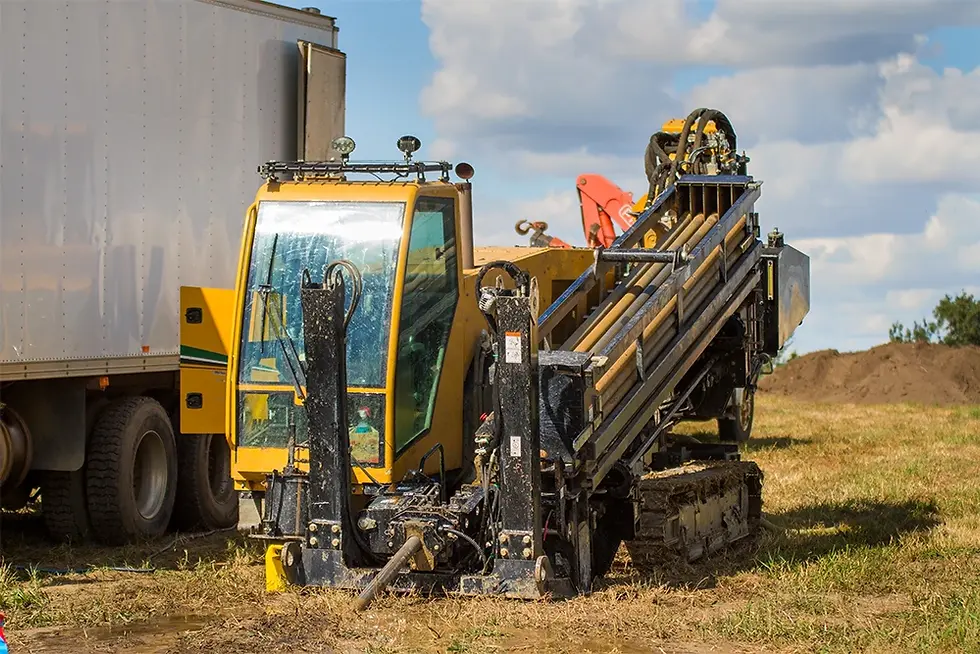
In this guide, we’ll compare the two techniques, explore their pros and cons, and help you choose the right approach for your business.
What Is Directional Boring?
Directional boring, also called horizontal directional drilling (HDD), involves drilling underground along a predetermined path without extensive surface excavation. It’s ideal for:
Crossing streets, rivers, or sidewalks
Minimizing surface disruption in urban areas like Houston and Dallas
Installing pipelines, fiber optic cables, or conduits under existing infrastructure
Read More: Directional Drilling Contractors Association – Industry standards and best practices.
What Is Traditional Trenching?
Traditional trenching involves digging open trenches to lay utilities and then backfilling them. This method is often used for:
Shorter utility runs or simple projects
Rural areas or undeveloped land in El Paso or Fort Worth
Projects where surface disruption is less of a concern
Trenching can be less expensive for small, simple projects but may cause traffic disruptions and require more surface restoration in dense cities like Austin or San Antonio.
Key Advantages of Directional Boring
Minimal surface disruption, reducing repair costs
Ability to navigate obstacles underground
Faster installation in complex urban environments
Reduced risk of damaging existing utilities
Directional boring is often the preferred method in high-traffic areas like Houston, Dallas, and Austin, where efficiency and minimal disruption are crucial.
Key Advantages of Traditional Trenching
Lower initial equipment cost
Simpler setup and fewer specialized skills required
Easier for short, straightforward runs
Works well in rural or undeveloped areas like El Paso and Fort Worth
While directional boring has higher upfront costs due to specialized equipment and trained operators, it often saves money in urban environments by reducing surface repair and project delays. Traditional trenching may be more cost-effective for smaller or rural projects but can incur additional expenses in busy cities due to road restoration, traffic management, and labor.
Insurance Considerations
Both methods carry operational risks. Partnering with an independent insurance agency like One Hampton Insurance helps protect your business with coverage tailored to directional boring and trenching operations:

Which Method Works Best in Texas?
Urban Projects: Directional boring is the clear winner for cities like Houston, Dallas, and Austin.
Rural Projects: Traditional trenching may still be cost-effective in less populated areas near El Paso or Fort Worth.
Final Thoughts
Choosing between directional boring and traditional trenching in Texas depends on your project type, location, and budget. For urban projects in Houston, Dallas, or Austin, directional boring often offers efficiency and minimal disruption. For simpler or rural projects in El Paso and Fort Worth, traditional trenching may be more cost-effective. Ensuring proper equipment, skilled operators, and comprehensive insurance from One Hampton Insurance allows Texas contractors to focus on project success while minimizing risk.
Contact us today.


Comments